
Repair or Replace Flooring: Which Option Is More Cost-Effective?

Table of Contents
Flooring takes daily wear from foot traffic, furniture, spills, pets, moisture, and changing temperatures. Over time, scratches, stains, loose sections, cracks, or water damage can leave homeowners wondering whether they should repair or replace their flooring.
The answer isn’t always as simple as choosing the cheaper option today. A small repair may save money when damage is limited, while repeatedly fixing a floor that has reached the end of its useful life can eventually cost more than installing a new one.
Understanding the cost of repair vs replacement, the extent of the damage, the flooring material, and the expected lifespan can help you make a more practical decision for your home.
Should You Repair or Replace Your Flooring?
When deciding whether to repair or replace, start with the condition of the entire floor rather than focusing only on the most noticeable damaged area.
A floor with one cracked tile, a few damaged planks, or a small stained section may be a good candidate for repair. On the other hand, widespread moisture damage, recurring problems, extensive wear, or an unstable subfloor can make replacement the more sensible long-term solution.
The type of flooring matters as well. Hardwood can sometimes be repaired or refinished, while individual laminate, vinyl, or tile sections may be replaceable if matching material is available.
Homeowners in Katy can explore our flooring services to see the different flooring materials and installation options available. The company currently works with vinyl plank, tile, hardwood, laminate, carpet, and water-damaged floors.
When Is Flooring Repair More Cost-Effective?
Choosing repair over replacement usually makes financial sense when the damage is localized and the rest of the floor remains structurally sound.
For example, repairing may be appropriate when you have:
- A few scratched or damaged boards
- One or two cracked tiles
- Small areas of water damage caught early
- Minor gaps or loose flooring
- Isolated carpet damage
- Surface damage that can be refinished
- Flooring that is otherwise in good condition
Repairing only the affected area means you avoid paying for materials and labor across an entire room.
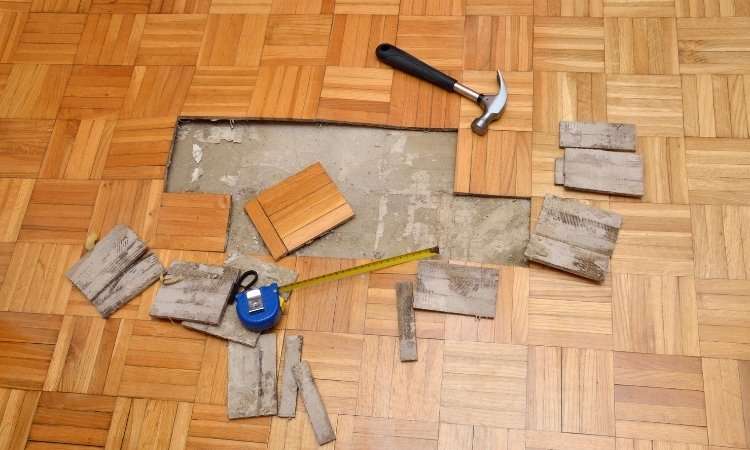
However, matching existing flooring can sometimes be challenging. With hardwood, for example, the wood species, stain, and finish may need to be carefully matched. The company notes that existing hardwood can often be matched after a repair by assessing these characteristics and sourcing a close match.
When Does Flooring Replacement Make More Financial Sense?
The repair vs replacement calculation changes when damage affects a large percentage of the floor. Replacing flooring may be more economical over the long term when you are dealing with extensive deterioration, repeated repairs, major water damage, or flooring that is already near the end of its service life.
Consider replacement when you notice widespread problems such as buckling, warping, large areas of cracked material, persistent moisture issues, extensive staining, or deterioration beneath the finished surface.
A useful related resource is the company’s guide to 7 Signs It’s Time to Replace Flooring, which can help homeowners identify whether their existing floor is approaching the point where replacement deserves consideration.
Repair vs Replacement: What Factors Affect the Cost?
There isn’t one universal answer to the cost of repair vs replacement. Several factors determine which approach delivers better value.
1. Size of the Damaged Area
Small areas generally favor repair. If damage covers much of a room or appears in several different areas, replacement becomes increasingly practical.
Think about cost per usable year rather than simply today’s invoice. Spending money on repeated repairs every few months may provide less value than replacing a failing floor once.
2. Type of Flooring
Different flooring materials have different repair possibilities.
Hardwood flooring can often be repaired, sanded, refinished, or have individual boards replaced, depending on its condition.
Tile flooring can often be repaired by replacing individual cracked tiles when matching material is available.
Laminate flooring may allow individual damaged planks to be replaced, although matching older styles can become difficult.
Vinyl plank flooring can also allow localized plank replacement depending on the installation method.
Carpet may be patched in isolated areas, but extensive staining, wear, or damage may justify replacement.
You can compare these options through the company’s professional flooring services in Katy.
3. Age of Your Flooring
Age plays an important role in the repair or replacement decision. Repairing relatively new flooring usually makes sense if most of it remains in good condition. Investing heavily in a floor that is already worn throughout may simply postpone replacement.
Ask yourself whether the repair will meaningfully extend the floor’s usable life or merely cover up one symptom of broader deterioration.
4. Water Damage
Water damage deserves particular attention because the visible surface may not reveal the full extent of the problem. Moisture can affect flooring materials and potentially reach the layers underneath. Buckling, discoloration, swelling, or persistent odors can indicate a problem that needs professional assessment.
The website specifically offers water-damaged floor repair following leaks, storms, or flooding, including repair, replacement, and refinishing where appropriate.
5. Availability of Matching Materials
Repair becomes less attractive when replacement boards, tiles, or planks no longer match your existing floor. Colors can also change over time due to sunlight, wear, and aging. Even the same product may look noticeably different beside an older floor.
If an acceptable match cannot be achieved, replacing a larger section—or occasionally the entire room—may produce a more consistent result.
How to Decide Between Repair or Replacement
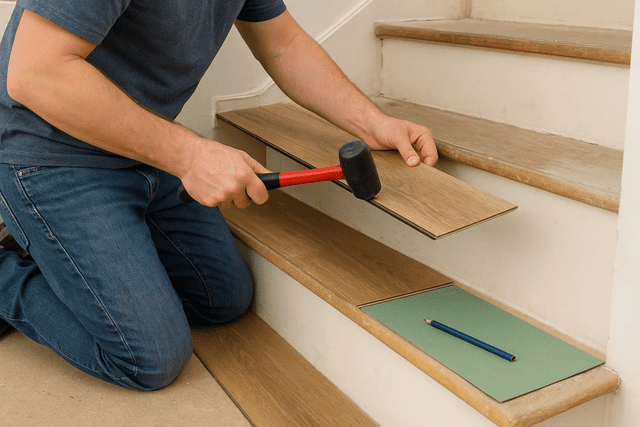
A simple way to approach the decision is to assess three things: extent, condition, and recurrence.
- If damage is small, isolated, and unlikely to return, repair is usually worth investigating first.
- If the surface is worn but the underlying hardwood remains sound, refinishing may be worth considering.
- If damage is extensive, structural, recurring, or spread throughout an aging floor, replacement deserves serious consideration.
For homeowners unsure about repair vs replacement, a professional inspection can identify problems that aren’t obvious from the surface. Flooring Contractor Katy states that it provides itemized written quotes after on-site measurements, which can help homeowners understand the proposed work before installation begins.
Choosing Flooring That Can Reduce Future Problems
If replacement turns out to be the better choice, don’t simply install the same material without considering why the previous floor failed. Room conditions matter. Bathrooms, kitchens, laundry areas, and other moisture-prone spaces may benefit from materials selected with water resistance in mind. High-traffic areas need durability, while bedrooms may prioritize comfort.
For example, the company’s service information describes luxury vinyl plank as water resistant and laminate as a durable, budget-friendly option.
Get a Professional Flooring Assessment in Katy, TX
Ultimately, whether you should repair or replace depends on more than the appearance of your flooring. The extent of the damage, age of the material, underlying condition, matching-material availability, and likelihood of future problems all influence the decision.
A localized problem may make repair over replacement the smarter investment. Widespread or recurring damage, however, can make replacement more cost-effective over the life of the floor.
If you’re unsure which option fits your home, Flooring Contractor Katy provides flooring installation and repair services in Katy and surrounding communities. The company offers on-site measurements and itemized quotes before work begins.
Frequently Asked Questions
Repair is generally the less extensive option when damage is limited to a small area. However, if the floor has widespread or recurring problems, continuing to repair individual sections can become less economical than replacement. Compare the expected lifespan after repair with the long-term value of a new floor.
Look at the size and severity of the damage, the floor's age, its structural condition, and whether matching materials are available. Localized damage often favors repair, while widespread deterioration can favor replacement.
In many cases, yes. Individual boards may be repairable or replaceable, and some hardwood surfaces can be refinished. The overall condition of the wood should be assessed before deciding.
Refinishing can avoid removing and installing an entirely new floor when the existing hardwood is still suitable for refinishing. Whether it is the better-value option depends on the floor's condition and the extent of damage.