
7 Signs It’s Time to Replace Flooring
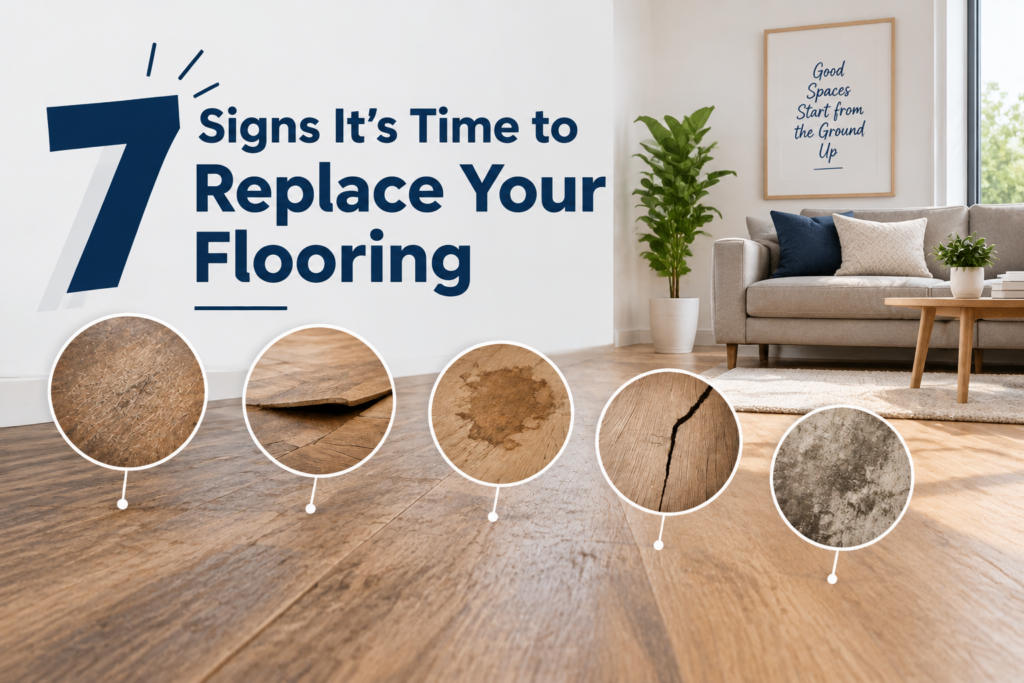
Table of Contents
Your flooring plays an important role in the comfort, appearance, and functionality of your home. Over time, everyday foot traffic, pets, spills, moisture, and general wear can take their toll.
While minor damage can sometimes be repaired, there are situations where it makes more sense to replace flooring altogether. If you’re unsure whether your floors need a simple repair or a complete upgrade, here are seven warning signs to look for.
1. Your Flooring Has Deep Scratches, Cracks, or Damage
Small scratches and marks are normal, especially in busy homes. However, deep scratches, cracks, dents, chipped areas, or widespread surface damage can make your flooring look worn and neglected. If the damage continues to spread or affects a large part of the floor, repeatedly repairing individual areas may not be the best long-term solution. Replacing flooring can provide a more consistent and durable result.
If you’re considering a complete flooring upgrade, professional flooring installation can help ensure your new floors are properly prepared and installed.
2. Your Floor Is Warped, Buckling, or Uneven
Warped or buckling flooring is one of the signs you shouldn’t ignore. Moisture, leaks, poor installation, or problems underneath the flooring can cause boards or planks to move out of position. You may notice raised edges, gaps between boards, soft spots, or areas that feel uneven when walking across them.
If you’re experiencing these problems, it’s important to identify the underlying cause before installing new flooring. In some cases, the subfloor may also need attention. A professional flooring contractor can inspect the affected area and help determine whether repair or flooring replacement is the better option.
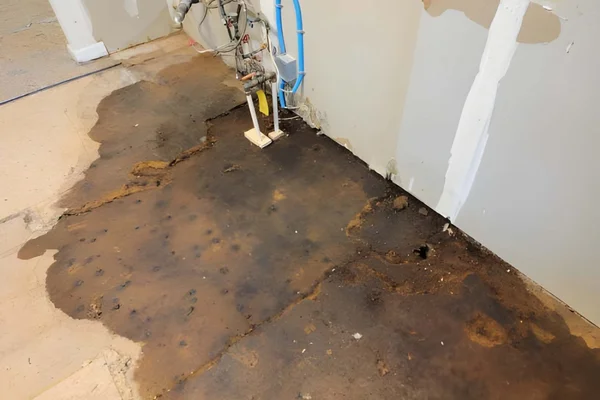
3. Water Damage Is Affecting Your Flooring
Water can cause significant damage to many types of flooring. Leaks, spills, plumbing problems, or moisture underneath the floor can lead to swelling, staining, warping, and deterioration.
If your flooring has suffered extensive water damage, simply covering the affected area may not solve the problem. A professional inspection can help determine whether you should repair the damaged section or replace old flooring entirely. For homeowners looking for a durable and practical option, LVP flooring can be worth considering because of its versatility and resistance to everyday moisture.
4. You Keep Repairing the Same Problems
Have you repaired the same section of flooring more than once? Constant repairs can be a sign that your floor has reached the end of its useful life. While repairing a small damaged area can make sense, repeated problems across the same floor can become expensive and frustrating.
If repair costs continue adding up, flooring replacement may offer a more practical long-term solution. Depending on your home and lifestyle, options such as hardwood flooring can provide a durable and attractive replacement when your existing floors have become difficult to maintain.
5. Your Flooring Has Permanent Stains or Discoloration
Some stains can be removed with proper cleaning, but older flooring may develop permanent discoloration from spills, pets, sunlight, moisture, or years of use.
If your floors still look stained or faded after professional cleaning or maintenance, it may be time to consider a new surface. This is especially noticeable when the flooring is heavily worn in high-traffic areas such as hallways, kitchens, and living rooms.
When choosing new flooring, consider how much traffic the room receives, how easy the material is to maintain, and how well it fits the overall design of your home.
6. Your Flooring Has Become a Safety Concern
Damaged flooring isn’t just an appearance issue. Raised edges, loose boards, cracked tiles, buckled planks, and uneven surfaces can create trip hazards. If sections of your floor move when you walk over them or you regularly have to avoid certain areas because they feel unstable, don’t ignore the problem.
A professional can determine whether the issue can be repaired or whether it’s safer to replace floor sections or the entire flooring system. Getting the problem assessed early can also help prevent a small flooring issue from becoming a more expensive repair.
7. Your Flooring Looks Outdated or No Longer Fits Your Home
Sometimes flooring doesn’t need to be severely damaged to justify an upgrade. If your flooring is several years old, looks dated, or no longer matches your home’s style, replacing it can completely change the appearance of your rooms.
New flooring can also be a practical choice when you’re renovating your kitchen, living room, bedrooms, or entire home. For homeowners comparing different materials, laminate flooring can be another option to consider when looking for an attractive and practical flooring solution.
Should You Repair or Replace Your Flooring?
Not every flooring problem requires complete replacement. Small scratches, isolated stains, or minor damage may be repairable. However, when to replace floor becomes an important question when damage is widespread, repairs keep returning, moisture has affected the floor, or the flooring has become unsafe.
When deciding between repair and replacement, think about the age of your existing floor, the extent of the damage, how often repairs are needed, and the expected cost of continuing to maintain it. A professional flooring contractor can assess the condition of your existing floor and help you determine the most practical option for your home.
Things to Consider When Replacing Floor
There are several things to consider when replacing floor, including the room’s purpose, expected foot traffic, moisture exposure, maintenance requirements, durability, appearance, installation requirements, and overall budget. You should also consider whether the existing subfloor needs preparation or repair before the new flooring is installed.
Choosing the right material isn’t only about appearance. The best flooring should suit how you actually use the space and the amount of wear it is likely to receive. If you’ve noticed several of these warning signs, it may be time to stop putting off your flooring project.
At Flooring Contractor Katy TX, we can help you evaluate your existing flooring and choose a replacement option that suits your home, lifestyle, and budget. Whether you’re dealing with damaged flooring or simply want to update an outdated room, professional guidance can make the replace flooring process easier from start to finish.
Ready to upgrade your floors? Contact Flooring Contractor Katy TX to discuss your flooring replacement needs and request an estimate.
Frequently Asked Questions
Yes. Minor scratches, isolated damage, or individual damaged sections can sometimes be repaired. However, widespread damage or recurring problems may make flooring replacement a better long-term option.
Not necessarily. The extent of the damage and type of flooring determine whether repair is possible. However, significant warping, swelling, soft areas, or damage underneath the surface may require replacement.
Some important things to consider when replacing flooring include the room's purpose, expected foot traffic, moisture exposure, maintenance requirements, durability, appearance, installation requirements, and overall budget.
The cost depends on factors such as the flooring material, room size, subfloor condition, preparation work, removal of existing flooring, and installation requirements. The best way to understand your project cost is to request a professional flooring estimate.